Modelling for Pandemic Preparedness
- Home
- Modelling for Pandemic Preparedness
The German–West African Centre for Global Health and Pandemic Prevention (G-WAC) has been dedicated to strengthening infectious disease modelling capacity across Sub-Saharan Africa. Recent outbreaks such as mpox, Ebola, and Lassa fever have once again demonstrated the critical role of epidemiological modelling in informing timely, evidence-based public health decisions. However, effective modelling depends on high-quality local data, the capacity to interpret model outputs in context, and the ability to communicate insights to policymakers and communities. In many African settings, fragmented surveillance systems and limited data interoperability constrain the usefulness of models for local decision-making.
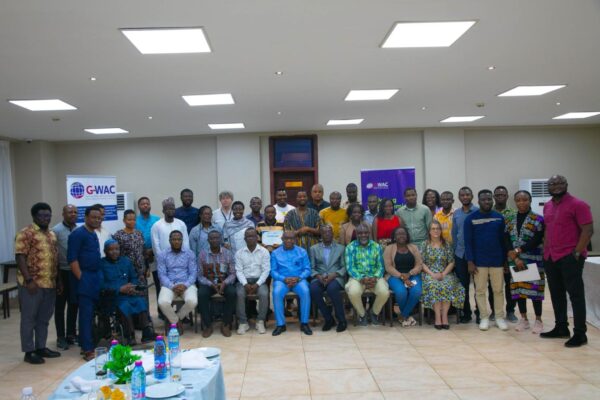
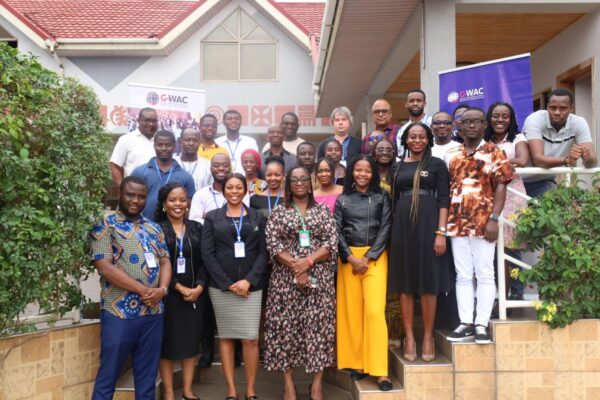
To address these challenges, G-WAC established the annual Modelling for Pandemic Preparedness and Response (MPPR) Short Course. Hosted at the College of Health Sciences, Kwame Nkrumah University of Science and Technology (KNUST) in Kumasi, Ghana, this intensive 10-day course brings together early-career researchers, public health practitioners, policymakers, and quantitative scientists from across Africa. Through fully funded scholarships, 20 participants are selected annually to join a collaborative learning environment that promotes cross-disciplinary exchange.
A defining feature of the MPPR course is its specific tailoring to the Sub-Saharan African context. Participants learn epidemiological modelling approaches through regionally relevant case studies, outbreak scenarios, and data systems, with attention to the realities of surveillance and response in (West) Africa. The curriculum combines theoretical instruction with hands-on practical training, enabling participants to develop and apply models that reflect local epidemiological, sociocultural, behavioural, and health system realities. Practical exercises use the R programming language to build context-specific models tailored to African implementation settings.
The course covers key topics, including:
Participants engage with regional data platforms and work collaboratively on realistic outbreak scenarios that account for local demographics, behaviours, and health system structures. This experiential learning promotes systems thinking and cross-disciplinary collaboration, equipping participants to tailor interventions to community health needs and communicate modelling insights effectively.
Beyond the course, the MPPR programme fosters long-term scientific collaboration and sustainable modelling capacity in Sub-Saharan Africa. G-WAC has developed an expanding network of disease modellers, public health experts, and policymakers across the continent. This network enables collaborative interdisciplinary research, knowledge exchange, mentorship, and coordinated responses to emerging outbreaks. By connecting expertise across institutions and countries, the programme contributes to the development of locally grounded modelling ecosystems capable of informing resilient, evidence-based health policies.
Join us
Become part of our vivid community of African disease modellers. The MPPR Short Course equips you with the tools to contribute to context-sensitive, evidence-based solutions for pandemic preparedness and response in Sub-Saharan Africa.