The German–West African Centre for Global Health and Pandemic Prevention (G-WAC) remains dedicated to strengthening One Health capacity across Sub-Saharan Africa. Recognising the interconnectedness of human, animal, and environmental health, the One Health approach is essential to addressing complex and transboundary health threats, including emerging infectious diseases and pandemics. Building interdisciplinary capacity that is grounded in local realities is therefor key to developing effective, sustainable responses to address the changing patterns of global health threats at the human–animal–environment interface.
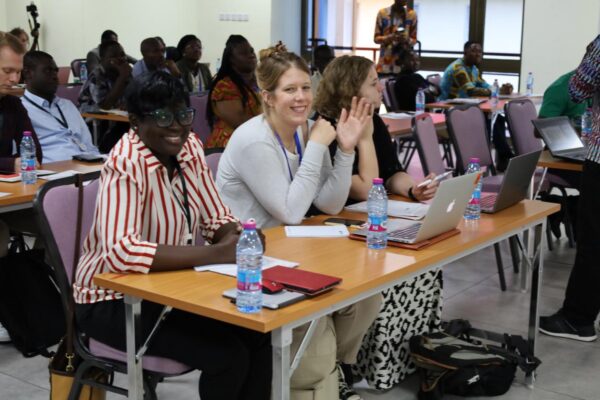
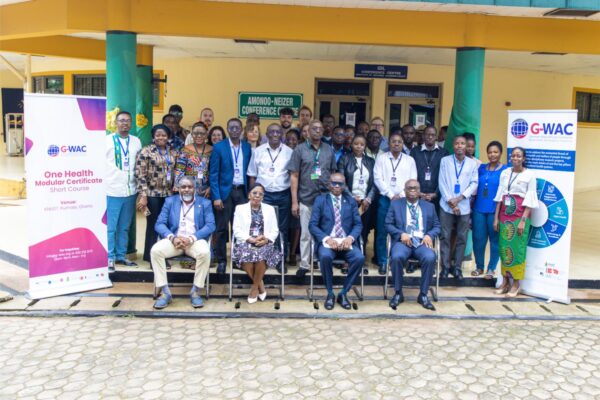
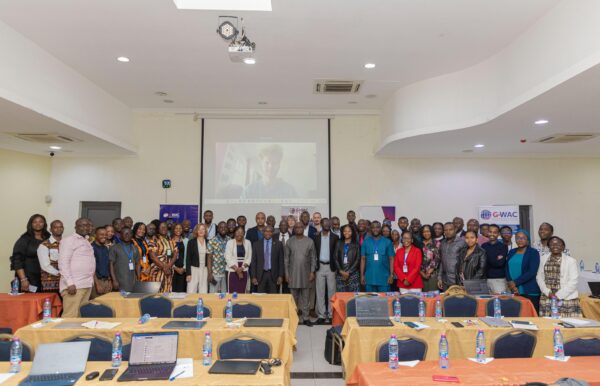
As part of our annual summer school programme, G-WAC offers 20 scholarships for participants from across Africa to attend a six-day intensive interdisciplinary One Health training at the College of Health Sciences, Kwame Nkrumah University of Science and Technology (KNUST) in Kumasi, Ghana. The course brings together researchers, public health practitioners, and policymakers from diverse disciplinary and cultural backgrounds, creating a dynamic learning environment that fosters cross-sectoral collaboration and innovation.
The programme combines a strong theoretical foundation with hands-on, practice-oriented learning. A structured lecture series will introduce participants to the principles and operationalisation of the One Health approach, including topics such as integrated surveillance systems, risk communication, community engagement, and intersectoral governance. Key drivers of infectious disease emergence will be contextualised, such as land-use change, the loss of biodiversity, and climate change, as well as core components of resilient health systems, in line with the WHO health systems framework (e.g., governance, financing, workforce capacity, access to essential medicines and technologies, health information systems, and service delivery).
In addition, the programme integrates cross-cutting perspectives, including sociocultural and behavioural determinants of health, environmental interactions, and methodological approaches to disease prioritisation. Particular emphasis is placed on translating theoretical knowledge into context-specific interventions that are responsive to local realities and community needs.
A distinctive feature of the course is its emphasis on translating knowledge into practice. Participants work in interdisciplinary teams to tackle a simulated One Health outbreak scenario grounded in real-world conditions. Through guided field investigations, group-based analysis and collaborative response development, participants gain expertise in applying the One Health approach. This experiential learning approach strengthens skills in cross-sectoral collaboration, systems thinking, and evidence-informed decision-making.
Throughout the programme, participants engage with diverse perspectives and reflect on both the opportunities and challenges of interdisciplinary work. The programme aims to establish a growing network of professionals committed to advancing One Health across Sub-Saharan Africa. By strengthening interdisciplinary competencies and collaboration across sectors, the course contributes to the development of resilient health systems that are responsive to local needs and global health threats alike.
Join us
…and become part of a collaborative learning experience that equips you with the tools to apply the One Health approach in practice and contribute to sustainable solutions for health challenges in Sub-Saharan Africa.